
 By
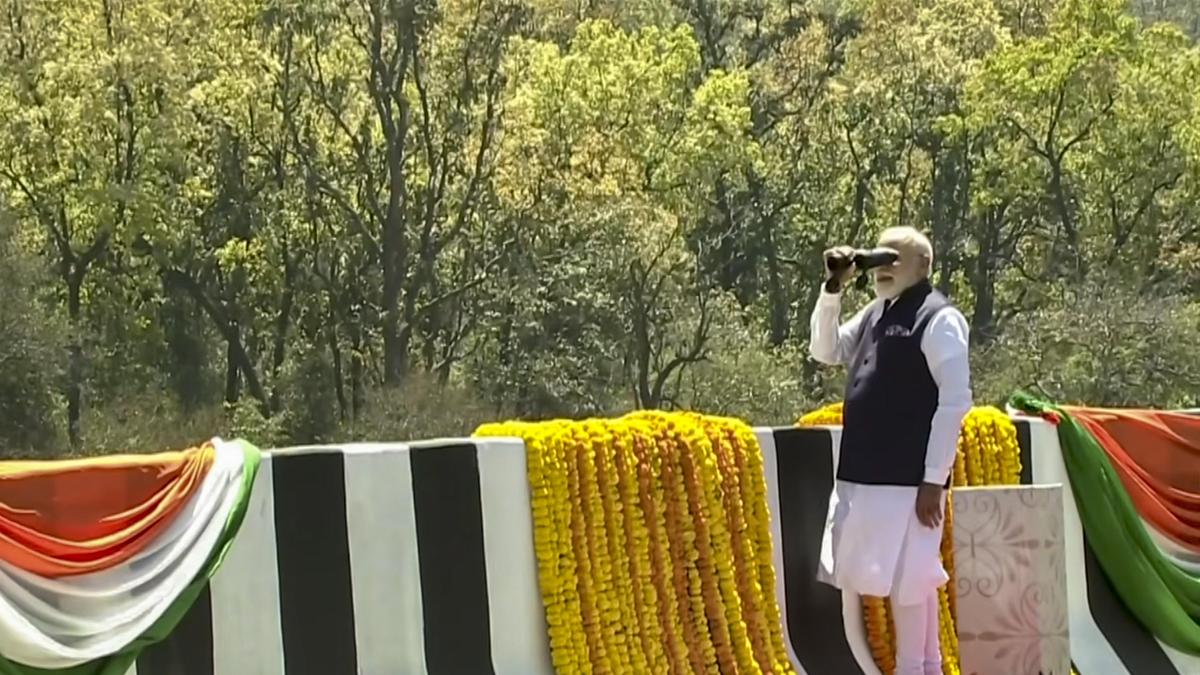
By Prime Minister Narendra Modi on Tuesday inaugurated the much-awaited Delhi–Dehradun Expressway, a major infrastructure project expected to dramatically cut travel time between the national capital and Uttarakhand’s capital. The new six-lane corridor reduces the journey from nearly six hours to just about two to two-and-a-half hours, offering a significant boost to connectivity in northern India.
Stretching over 200 kilometres, the access-controlled expressway connects key towns across western Uttar Pradesh, including Baghpat, Baraut, Shamli, and Saharanpur, before reaching Dehradun. It also links with major national highway corridors, creating a broader transport network that could reshape logistics, trade, and travel patterns in the region.
Calling the expressway more than just a road project, the Prime Minister said it would open up new opportunities for industries, logistics hubs, and local businesses. He highlighted the government’s increased push on infrastructure spending over the past decade, noting that investments have seen a sharp rise and are now translating into large-scale connectivity projects across states like Uttarakhand.
One of the standout features of the expressway is its eco-sensitive design. As the highway passes through parts of the Rajaji National Park, special provisions have been made to ensure minimal disruption to wildlife. These include a 12-kilometre elevated corridor, elephant underpasses, and multiple animal crossings to allow safe movement of wildlife across the region—an effort aimed at balancing development with environmental protection.
Officials say the expressway is expected to reduce fuel consumption and transport costs while improving freight movement. For farmers and small businesses, faster connectivity means quicker access to larger markets, potentially improving incomes and supply chain efficiency. The project is also likely to spur real estate and tourism growth along the corridor.
The Prime Minister also used the occasion to highlight Uttarakhand’s growing tourism sector, pointing to increased footfall at religious and scenic destinations. He said improved infrastructure would further boost tourism, benefiting local economies—from hotels and homestays to small eateries and transport operators.
Union Minister for Road Transport and Highways Nitin Gadkari outlined several upcoming projects aimed at strengthening connectivity in the region, including new bypasses, ropeways, and extended highway links to pilgrimage centres such as Kedarnath and Hemkund Sahib. These projects, he said, would make travel safer, faster, and more accessible for both tourists and residents.
With more infrastructure projects in the pipeline and improved road networks taking shape, the Delhi–Dehradun Expressway marks a significant step toward regional development. It not only shortens distances but also signals a broader push to modernise transport systems while supporting economic growth and tourism in the Himalayan belt.