
 By
By India–New Zealand Free Trade Agreement Finalized, Dairy Sector Protected as Trade Liberalization Accelerates
India and New Zealand have concluded a comprehensive free trade agreement (FTA), marking New Delhi’s third such pact this year while firmly protecting its politically sensitive dairy sector even as it pushes to open up the broader economy.
Under the agreement, duties will be eliminated or sharply reduced on 95% of New Zealand’s exports to India, covering products such as timber, wool, forestry goods, coal, sheepmeat, and infant formula. However, the deal explicitly excludes India’s dairy market, despite pressure from major economies — including the United States — for wider access to India’s farm sector.
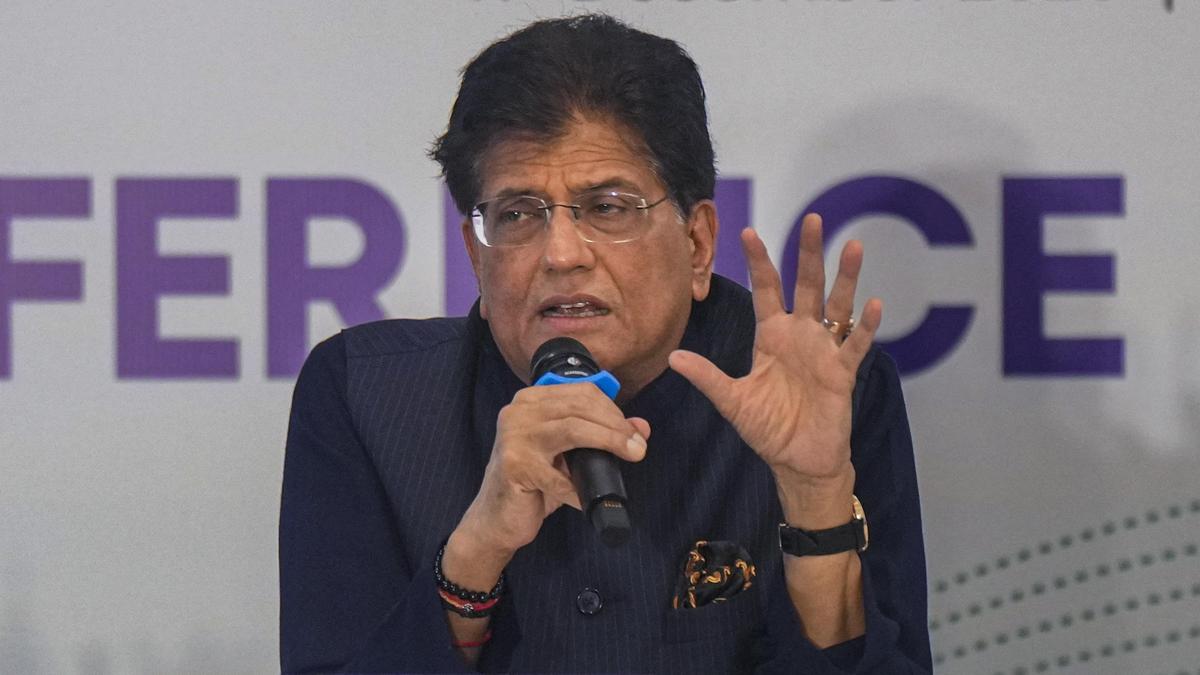
Commerce and Industry Minister Piyush Goyal said New Delhi had “protected” the interests of Indian farmers, reiterating that India will not open its dairy sector under trade agreements. Dairy and agriculture remain politically sensitive, as millions of small farmers — many owning less than two hectares of land — form a critical voting bloc.
Third FTA in a Year Signals Policy Shift
The New Zealand pact is the third free trade agreement India has signed this year, following deals with Oman last week and the United Kingdom in May. Together, these agreements underscore India’s efforts to shed its protectionist reputation by lowering long-criticized trade and non-trade barriers.
The push has gained urgency after US President Donald Trump imposed 50% tariffs on Indian goods — the highest in Asia — intensifying pressure on exporters, particularly in labor-intensive sectors.
Market Access, Mobility, and Investment Commitments
New Zealand’s trade minister described the agreement as “historic,” noting that 95% of the country’s current exports to India will become tariff-free or face significantly lower duties. India, meanwhile, has made a limited concession by reducing tariffs on specific apple imports from New Zealand — its first such move under any FTA — even as Washington presses for access for American apples.
In return, New Zealand will eliminate tariffs on all Indian exports and ease mobility rules for Indian students and professionals. The agreement introduces new pathways for skilled workers through a Temporary Employment Entry Visa program, capped at 5,000 visas at any time, with stays of up to three years.
Indian Prime Minister Narendra Modi and New Zealand Prime Minister Christopher Luxon said they are confident bilateral trade can double over the next five years. New Zealand has also committed to investing $20 billion in India over the next 15 years.
Limited Trade Volumes, Broader Strategic Impact
Despite its strategic significance, the FTA is unlikely to deliver an immediate surge in Indian exports due to relatively modest trade volumes. Bilateral trade totaled $1.3 billion in 2024–25, with India exporting $711 million and importing $587 million from New Zealand.
Analysts note that the agreement’s real value lies in predictability and long-term cooperation rather than headline trade gains. “The India–New Zealand FTA is less a trade breakthrough than a framework for deeper cooperation,” said Ajay Srivastava, founder of the Global Trade Research Initiative, adding that its impact will depend on how both sides translate commitments into practical economic linkages.
Political Debate in New Zealand
The deal has sparked political opposition in New Zealand, where New Zealand First — a junior coalition partner — has criticized the agreement as overly generous on immigration while failing to secure dairy access. Party leader Winston Peters has vowed to oppose enabling legislation, which is expected to reach parliament in 2027. Luxon, however, said he is confident of securing sufficient support.
India, by contrast, requires only cabinet approval for trade agreements, which has already been granted for the New Zealand FTA.
Overall, the agreement reinforces India’s evolving trade strategy: expanding global economic engagement while maintaining firm red lines on agriculture and dairy.