
 By
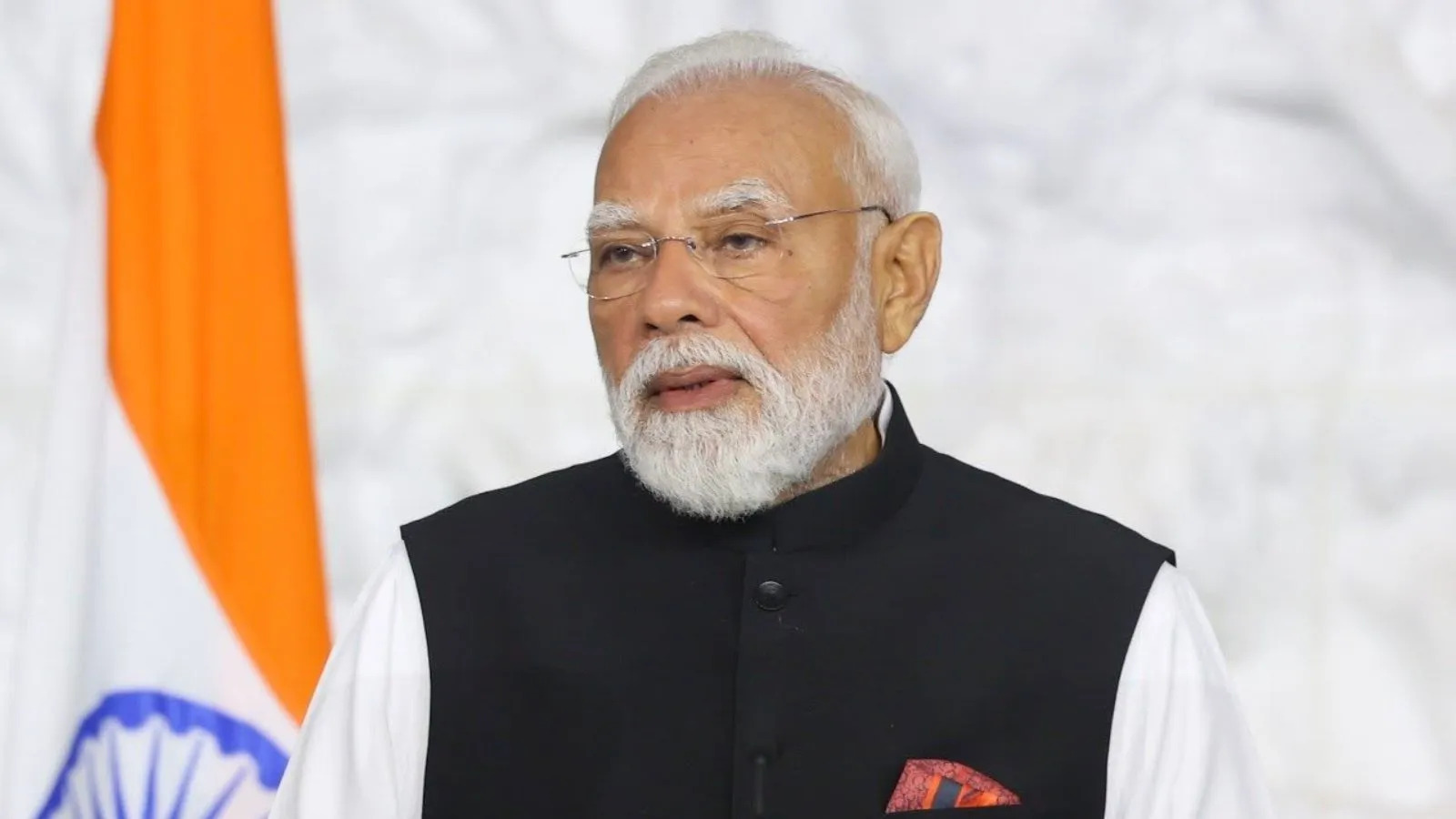
By Prime Minister Narendra Modi is scheduled to visit Punjab on July 17, where he will inaugurate a series of railway and infrastructure projects, marking another high-profile visit to the state this year. Beyond the development agenda, the visit is expected to carry political significance as the Bharatiya Janata Party (BJP) continues preparations for the 2027 Punjab Assembly elections, which it has announced it will contest independently.
The visit comes at a time when Punjab’s political landscape has become increasingly active, with debates over governance, infrastructure, community outreach and state-level issues shaping public discourse. BJP leaders see the Prime Minister’s programme as an opportunity to highlight the Centre’s investment in the state’s development while expanding the party’s organisational presence across Punjab.
The Prime Minister is expected to inaugurate the redeveloped Jalandhar Cantonment Railway Station and virtually dedicate several other upgraded railway stations, including Sahibzada Ajit Singh Nagar (Mohali), Sri Muktsar Sahib and Sri Anandpur Sahib, as part of the Centre’s broader railway modernisation programme.
This will be Modi’s second visit to Punjab in 2026. Earlier this year, he visited Dera Sachkhand Ballan in Jalandhar to participate in celebrations marking Guru Ravidas Jayanti, reflecting the BJP’s continued outreach to different sections of Punjab’s society, particularly in the Doaba region.
The visit also comes amid political discussions surrounding the film Satluj, which has generated debate after its removal from an OTT platform. The issue has drawn reactions from several political parties and organisations, with the BJP maintaining that it had no role in the platform’s decision. Party leaders have also expressed differing opinions on the controversy, while the state BJP leadership has appealed for restraint and urged that Punjab’s social harmony remain the priority.
Apart from the film controversy, another issue dominating Punjab’s political landscape is the ongoing protest by farmer organisations over the proposed India-US trade agreement. Farmer groups have indicated that they will continue demonstrations, arguing that the agreement could impact agricultural interests.
Against this backdrop, the BJP is positioning development and infrastructure as central themes of its political strategy. Party leaders believe that improved connectivity, railway upgrades and investment in public infrastructure will contribute to economic growth and create new opportunities for Punjab’s residents.
The redevelopment of railway stations and other projects being launched during the visit are part of a wider national initiative aimed at improving passenger amenities, modernising transport infrastructure and strengthening regional connectivity. Officials say these projects are expected to enhance travel convenience and support local economic activity.
With the 2027 Assembly elections still over a year away, political observers view the Prime Minister’s visit as both a governance-focused programme and an important milestone in the BJP’s efforts to strengthen its organisational network and electoral presence in Punjab.