 By
By Chinese Communist Party delegation in India meets BJP officials amid thaw in bilateral ties
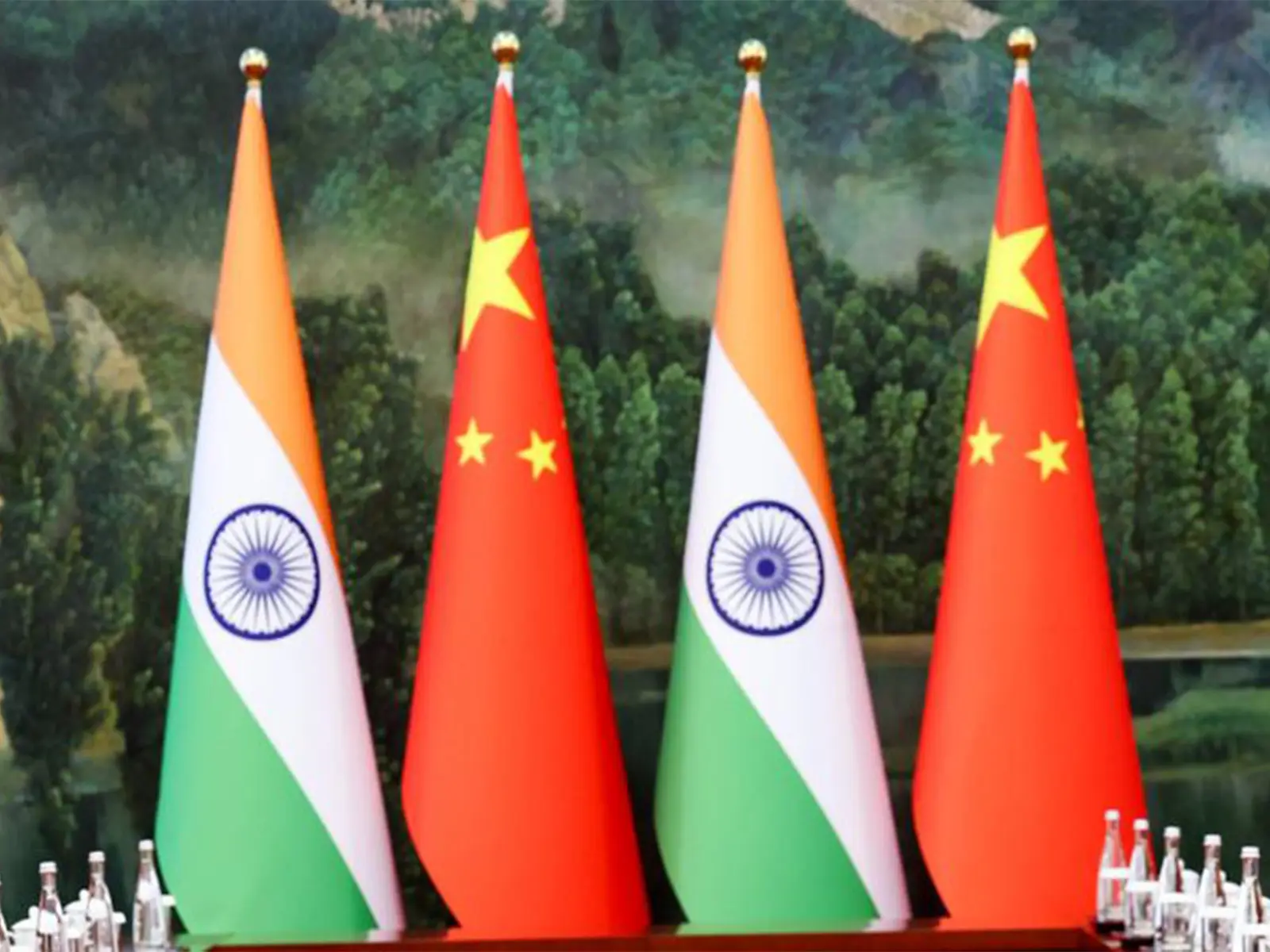
A six-member delegation of the Communist Party of China (CPC) has arrived in New Delhi for a round of high-level interactions with leaders of India’s ruling Bharatiya Janata Party (BJP), marking the first formal party-to-party engagement between the two sides since relations began to ease after years of tension. Led by Sun Haiyan, Vice Minister of the International Liaison Department (ILD) of the CPC, the visit is being closely watched as a signal of Beijing’s intent to widen diplomatic channels with India beyond traditional government-to-government mechanisms.
While India and China have maintained diplomatic contact even during periods of strain, party-to-party dialogue occupies a more political and strategic space. For New Delhi, the engagement reflects a calibrated openness to exploring non-official routes of communication with Beijing, without diluting its stated positions on sovereignty, border security and regional stability. For China, the ILD delegation underscores the CPC’s longstanding practice of engaging ruling parties abroad as part of its broader foreign policy outreach.
Also Read – Government Proposes 90 Days of Annual Work for Gig Workers to Ensure Social Security Benefits
A return to party diplomacy
The International Liaison Department of the CPC functions as a key instrument of China’s political diplomacy, maintaining ties with political parties across the world, especially those in power. Its meetings are distinct from the work of China’s Ministry of Foreign Affairs, often focusing on ideological exchanges, governance models and long-term political understanding.
Historical records show that such party-level contacts between the CPC and the BJP are not unprecedented. Since the late 2000s, there have been intermittent exchanges, including BJP delegations visiting China and CPC officials holding discussions in India. However, these interactions slowed significantly after the 2017 Doklam standoff and came to a near halt following the violent clash between Indian and Chinese troops in the Galwan Valley in June 2020.
The current visit therefore carries symbolic weight. It is the first such interaction since what officials on both sides privately describe as a “thaw” in relations, indicating that political dialogue is gradually being restored alongside diplomatic and military engagement.
Context of strained ties
India-China relations were severely disrupted after the Galwan Valley clash, which resulted in the deaths of 20 Indian soldiers and an undisclosed number of Chinese troops. The incident triggered a prolonged military standoff along multiple friction points in eastern Ladakh and led to a sharp deterioration in political trust. India responded by tightening scrutiny of Chinese investments, restricting Chinese technology platforms, and recalibrating its China policy with a greater emphasis on security and resilience.
For nearly four years, high-level political engagement remained limited, with both sides focusing primarily on military disengagement talks and diplomatic-level discussions to manage tensions. The absence of leader-level meetings further reinforced the sense of a frozen relationship.
Also Read – “Batenge To Katenge”: Uddhav and Raj Thackeray Unite for Mumbai Civic Polls
The October 2024 breakthrough
A significant shift occurred in October 2024, when Prime Minister Narendra Modi and Chinese President Xi Jinping met on the sidelines of the BRICS summit in Kazan, Russia. It was their first formal bilateral interaction in five years and is widely seen as a turning point. The meeting helped unlock momentum for disengagement agreements along certain sectors of the Line of Actual Control (LAC) and signalled political willingness on both sides to stabilise ties.
Following the Kazan meeting, India and China resumed a series of structured dialogues, including meetings between military commanders, diplomats and national security officials. These engagements did not resolve all outstanding issues, but they reduced the risk of escalation and reopened channels that had been dormant since 2020.
Concrete confidence-building steps
Since late 2024, several confidence-building measures have followed. One of the most notable was the resumption of the Kailash Mansarovar Yatra in 2025. The pilgrimage, of immense religious significance to Hindus, Buddhists and Jains, had been suspended for five years due to the border standoff and the COVID-19 pandemic. Its revival was widely interpreted in India as a goodwill gesture and a practical step towards normalisation.
Air connectivity between mainland China and India has also been restored, easing travel for tourists, students and business professionals. Visa processes, which had become cumbersome during the period of tension, have been gradually streamlined. Discussions are now underway to expand pilgrimage batches and travel exchanges further in 2026, indicating cautious optimism about sustained engagement.
A busy year of diplomacy
The year 2025 witnessed an unusual frequency of high-level India-China interactions, mostly on multilateral platforms. External Affairs Minister S. Jaishankar, National Security Advisor Ajit Doval, Defence Minister Rajnath Singh and Prime Minister Modi all travelled to China for Shanghai Cooperation Organisation (SCO) meetings and related summits. These visits, while framed within multilateral obligations, provided opportunities for bilateral discussions on the sidelines.
On the Chinese side, Foreign Minister Wang Yi visited India for key talks, reinforcing Beijing’s interest in stabilising ties with New Delhi at a time of shifting global alignments and economic uncertainty. Both sides have publicly emphasised the need for “mutual respect, sensitivity and interests” in managing the relationship.
Why party-to-party talks matter
Against this backdrop, the CPC delegation’s engagement with BJP leaders adds another layer to the evolving relationship. Party-to-party talks allow for frank discussions away from formal diplomatic settings and can help gauge political thinking at the highest levels. They also serve as confidence-building measures, particularly when official relations have been strained.
For India, engaging the CPC through the BJP does not imply endorsement of China’s political system or policies. Instead, it reflects a pragmatic recognition that multiple channels of communication are necessary to manage a complex and often contentious relationship. Indian officials remain cautious, emphasising that any improvement in ties must be anchored in peace and tranquillity along the border.
Looking ahead
The visit by the CPC’s ILD delegation does not signal a reset or a return to “business as usual” in India-China relations. Core issues, particularly the unresolved boundary dispute and concerns over China’s regional actions, remain. However, it does suggest a shared interest in preventing further deterioration and in exploring structured engagement where possible.
As both countries navigate an increasingly volatile global environment, the revival of party-to-party dialogue may help reduce misperceptions and keep communication lines open. Whether it translates into deeper trust will depend less on meetings in New Delhi and more on developments along the Himalayan frontier, where the future of India-China relations continues to be tested.