
 By
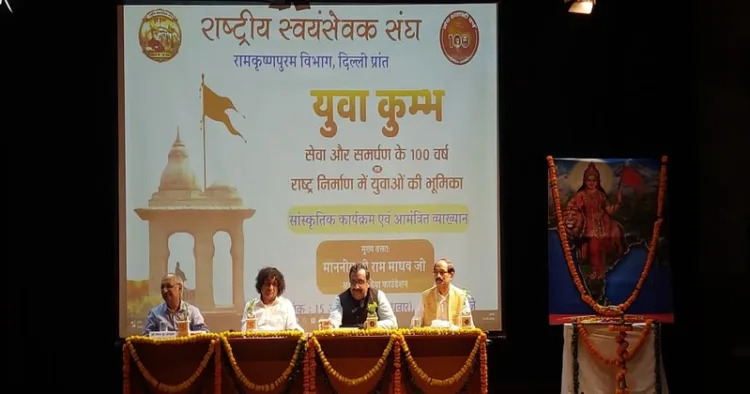
By A gathering at Jawaharlal Nehru University turned into a platform for conversations on youth, ideas, and nation-building as the RSS marked its centenary with a “Yuva Kumbh” event on campus. Organised by the RK Puram unit of the Rashtriya Swayamsevak Sangh, the convention drew hundreds of students and faculty members, reflecting a growing engagement between campus spaces and broader ideological discussions.
The event focused on the theme of “100 Years of Service and the Role of Youth in Nation Building,” placing young people at the centre of India’s future trajectory. It began on a reflective note, with young researchers from the university being felicitated for their academic contributions linked to national development—an attempt to connect scholarship with societal impact.
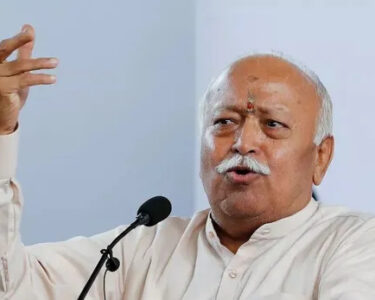
Delivering the keynote address, Ram Madhav emphasised that the next phase of India’s growth would depend heavily on its youth. He described the centenary year as not just a milestone for the organisation, but also a moment for introspection and renewed commitment. According to him, the RSS’s journey has been rooted in ideas rather than confrontation, and its focus remains on fostering social harmony and national consciousness.
Other speakers at the event included IRS officer Rohit Mehra, JNU Rector Prof. Brajesh Kumar Pandey, and Dr. Ranjan Wadhwa of Safdarjung Hospital, each highlighting different aspects of youth participation—from governance and public service to healthcare and academia.
What stood out, however, was the informal interaction that followed the formal sessions. Ram Madhav spent time with students at the campus’s iconic Ganga Dhaba, engaging in an open discussion over tea. The conversation moved beyond speeches, touching on academic pressures, career concerns, and the role of young citizens in shaping public discourse.
The “Yuva Kumbh” was not just another commemorative event—it reflected a broader attempt to bring ideological dialogue into university spaces while encouraging students to see themselves as active participants in the country’s future. Whether such engagements translate into lasting influence remains to be seen, but the emphasis on youth as drivers of change was unmistakable.