 By
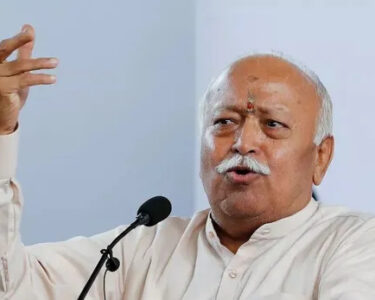
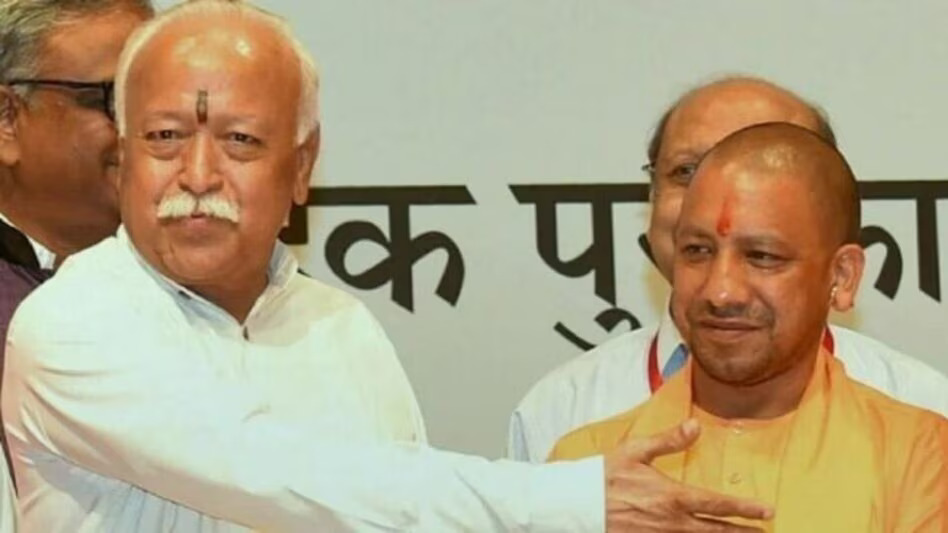
By With the Uttar Pradesh Assembly elections less than a year away, the arrival of Mohan Bhagwat in Lucknow has once again triggered political speculation over the Rashtriya Swayamsevak Sangh’s possible role in shaping the BJP’s electoral strategy for 2027.
Officially, Bhagwat’s three-day visit is linked to an RSS training programme in the state capital. But in political circles, the timing of the visit is being viewed as significant, especially as the BJP begins groundwork for a crucial election battle in the country’s most politically important state.
Bhagwat is staying at Saraswati Shishu Mandir in Nirala Nagar and is expected to interact with RSS volunteers participating in a regional training camp involving cadres from Awadh, Kashi, Gorakhpur and Kanpur regions. Along with ideological sessions, discussions are likely to focus on the RSS centenary year campaigns, organisational expansion and outreach programmes at the grassroots level.
However, beyond the formal schedule, the visit has revived conversations around what BJP insiders often describe as the “Triple S” model — Sangh, Sangathan and Sarkar. The formula revolves around coordination between the RSS, the BJP organisation and the government to ensure electoral mobilisation remains strong on the ground.
The BJP’s victories in Uttar Pradesh in 2014, 2017 and 2022 are widely seen as examples of this coordination working effectively. RSS volunteers played a major role in booth-level mobilisation, social outreach and voter engagement, particularly among non-Yadav OBC and non-Jatav Dalit communities. Political observers believe the Sangh is once again trying to strengthen its grassroots network ahead of the 2027 polls.
Sources within the BJP say several senior leaders, including Chief Minister Yogi Adityanath and state BJP office-bearers, could meet Bhagwat during his stay. Discussions are expected to include feedback on governance, social equations and organisational preparedness.
The RSS has also reportedly intensified coordination meetings across different regions of Uttar Pradesh over the past few months. These meetings are aimed at understanding local political sentiment and countering opposition narratives, particularly around caste and social alliances.
For decades, Uttar Pradesh has remained central to the RSS-BJP political strategy. From the Ram Janmabhoomi movement in the late 1980s to the BJP’s rise as a dominant force after 2014, the Sangh has consistently acted as the party’s ideological backbone and organisational support system.
Bhagwat’s latest visit suggests that the RSS is once again preparing to play an active behind-the-scenes role as the BJP eyes a third straight term in Uttar Pradesh.