 By
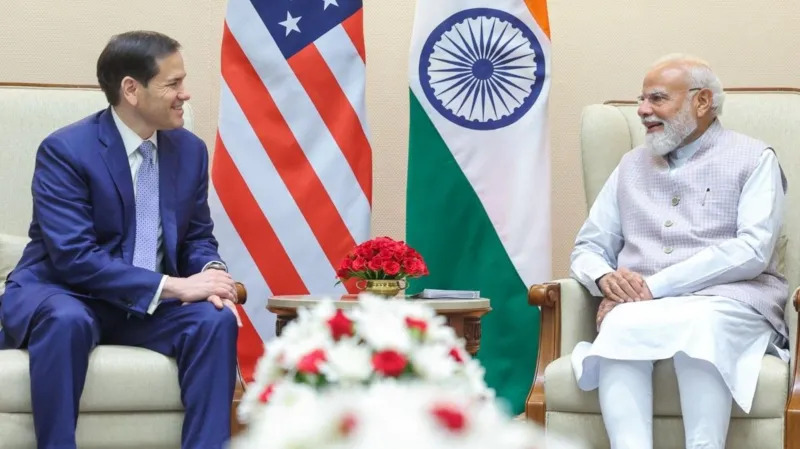
By US Secretary of State Marco Rubio held extensive talks with Indian Prime Minister Narendra Modi in New Delhi on Saturday, with energy security emerging as the central theme of a visit unfolding against the backdrop of rising tensions in West Asia and shifting global trade equations.
Rubio’s India tour, which includes stops in Kolkata, Jaipur and Agra, comes at a time when Delhi is grappling with mounting concerns over fuel supplies after disruptions in the Strait of Hormuz sent shockwaves through global oil markets. The meeting between the two leaders also reflected a broader attempt by Washington and Delhi to steady ties after months of disagreements over tariffs, regional diplomacy and strategic priorities.
According to officials familiar with the discussions, Rubio assured India that the United States was prepared to deepen energy cooperation and support Delhi’s efforts to diversify crude imports. The issue has become urgent for India, which relies heavily on imported oil and has been directly affected by uncertainty surrounding shipping routes in the Gulf region.
The Strait of Hormuz, through which a substantial portion of the world’s oil trade passes, has remained under intense scrutiny since the escalation involving Iran, Israel and the United States. With freight movement slowing and energy prices fluctuating sharply, India has been exploring alternatives to protect domestic supply chains and contain inflationary pressure.
Rubio reportedly conveyed that Washington sees India as a long-term energy partner and is willing to increase shipments of American oil and gas. For Delhi, buying more energy from the US also carries diplomatic value, especially as trade imbalance concerns continue to dominate political messaging in Washington.
Trade relations formed another major pillar of the talks. While both countries have publicly highlighted progress toward a broader economic agreement, negotiations remain sensitive. India has promised increased imports of American products ranging from energy and aircraft to technology and agriculture, but policymakers remain cautious about opening vulnerable domestic sectors too quickly.
Despite earlier tariff tensions during Donald Trump’s presidency, recent reductions in reciprocal duties have offered relief to Indian exporters. Analysts say Delhi now views economic engagement with Washington as strategically necessary, particularly as global supply chains continue to realign after years of geopolitical instability.
The meeting also carried significant geopolitical undertones. Differences remain over Washington’s public outreach to Pakistan and claims by Trump that he played a role in easing tensions between India and Pakistan last year — a position India has repeatedly rejected.
Still, neither side appeared interested in allowing those differences to overshadow broader strategic cooperation. Rubio is expected to attend the upcoming Quad foreign ministers’ meeting in Delhi, where discussions are likely to focus heavily on Indo-Pacific security and China’s growing influence in the region.
For India, the visit serves as an opportunity to reinforce its position as a key global player balancing relations across multiple power centres — from Washington and the Quad to Brics nations including China and Russia. How Delhi navigates those competing interests may shape the next phase of its foreign policy.