
 By
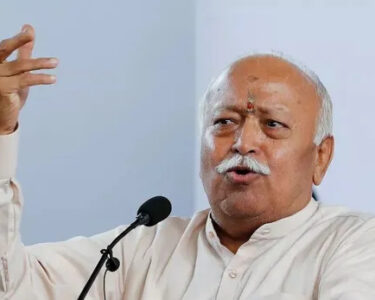
By The Rashtriya Swayamsevak Sangh (RSS) has raised alarm over a fake letter allegedly written by RSS chief Mohan Bhagwat to Prime Minister Narendra Modi that went viral on social media, calling it AI-generated and misleading. The controversy comes at a politically sensitive time, with assembly elections approaching in Assam and tensions already high over recent political allegations involving Chief Minister Himanta Biswa Sarma and his family.
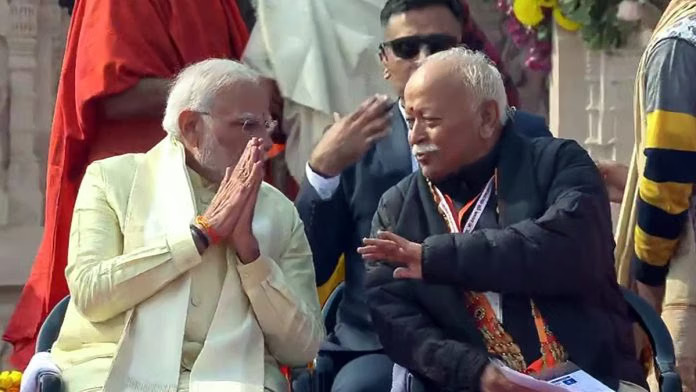
The letter, widely circulated online on April 6, claimed that Bhagwat had expressed concern to the Prime Minister over developments in Assam and questioned whether Union Home Minister Amit Shah was shielding the chief minister. RSS functionaries quickly dismissed the document as fabricated, stating that neither Bhagwat nor the organisation had issued any such communication and warning that such content was designed to mislead the public and damage the organisation’s credibility.
According to RSS sources, the problem has grown more serious in recent weeks, with multiple AI-generated letters and deepfake content circulating on social media platforms. Some of these posts were linked to the ongoing passport controversy involving Riniki Bhuyan Sarma, the wife of the Assam Chief Minister, after Congress leaders raised allegations about multiple passports — claims that have been strongly denied by both Sarma and the BJP. RSS officials say the fake letters attempted to create the impression that the organisation was internally criticising the BJP leadership in Assam, which they described as completely false.
The RSS Uttar Assam unit has already filed a police complaint with the Guwahati Cyber Cell, seeking action against those responsible for creating and spreading the AI-generated content. A separate complaint was also filed in Delhi regarding another fake letter that allegedly criticised the BJP’s leadership in Assam. RSS functionaries said these repeated attempts to circulate fabricated letters and fake surveys in the organisation’s name have become a recurring problem, particularly during election periods.
Officials within the organisation pointed out that similar incidents were reported during earlier elections in Bihar and Haryana, where fake surveys and letters were circulated to influence public opinion. They reiterated that the RSS does not conduct political surveys or issue internal political communications in the public domain, and urged authorities to take strict action against those misusing artificial intelligence and social media platforms.
The issue has also highlighted a broader concern about the growing use of deepfake videos and AI-generated content in Indian politics. Several political leaders, including Congress MP Shashi Tharoor, have recently warned about fabricated videos and voiceovers being used to spread misinformation online.
With new IT rules mandating stricter monitoring and faster removal of synthetic content, authorities are expected to keep a close watch on such cases. For now, the RSS has urged people to verify information before sharing it online, warning that fake AI-generated material could distort public perception and disrupt the electoral environment.