
 By
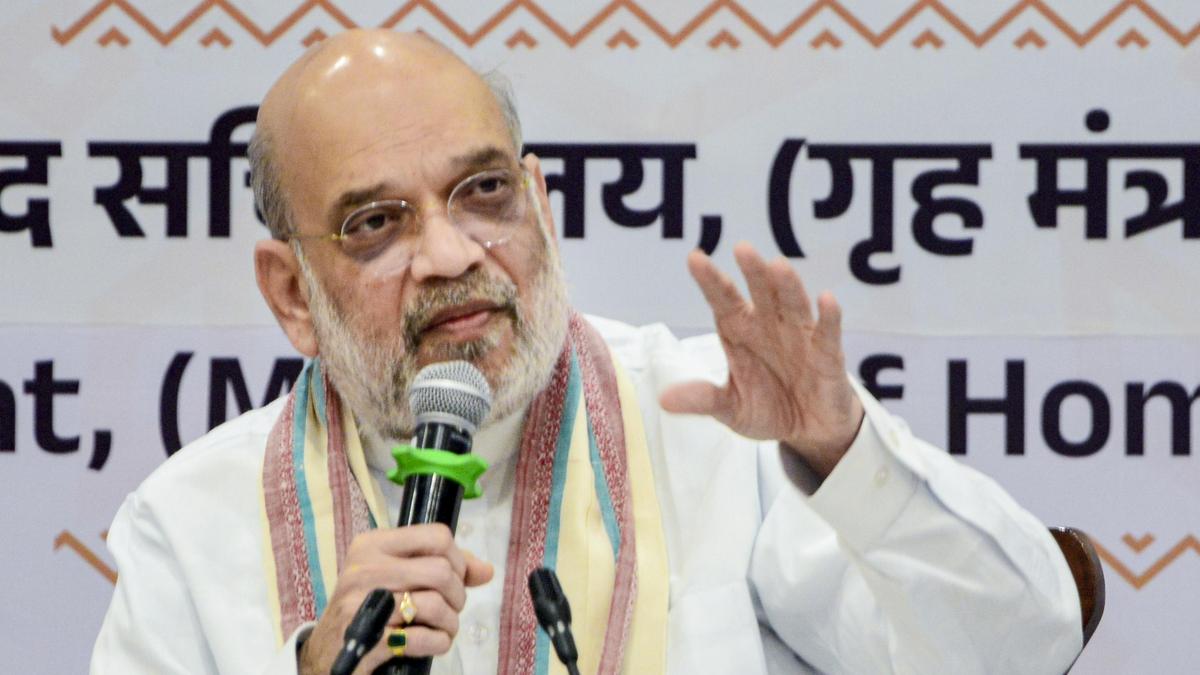
By Union Home Minister Amit Shah on Friday signalled a tougher national approach on illegal infiltration, declaring that the Centre’s focus would now go beyond prevention to the identification and deportation of every infiltrator living illegally in the country. Addressing senior Border Security Force officials in New Delhi, Shah said the government would not allow what he described as “unnatural demographic changes” caused by cross-border infiltration.
The Home Minister also announced that the government is preparing to roll out a “Smart Border” system along the India-Pakistan and India-Bangladesh borders. The project, expected to rely heavily on advanced surveillance technology such as drones, radars, high-resolution cameras and digital monitoring systems, aims to strengthen border management and plug vulnerable infiltration routes.
Speaking at the BSF Investiture Ceremony and the Rustamji Memorial Lecture organised in honour of former BSF chief K.F. Rustamji, Shah stressed that traditional border security methods were no longer sufficient to tackle emerging threats. According to him, modern challenges such as drone-based smuggling, fake currency circulation, cyber threats and hybrid warfare require coordinated intelligence-driven action.
Shah said the Centre was also preparing a high-powered demography mission that would work to identify infiltration routes and provide actionable intelligence to border forces. He urged the BSF to maintain close coordination with local police stations, district administrations and revenue officials instead of functioning in isolation.
“The responsibility is not only to guard the border fence but also to understand movement patterns in nearby villages and border areas,” Shah said, underlining the importance of local-level information networks in tackling infiltration and smuggling activities.
Referring specifically to states bordering Bangladesh, the Home Minister noted that governments in Assam, Tripura and West Bengal were now aligned with the Centre’s position against illegal infiltration. He indicated that a broader strategy involving state governments would soon be finalised through consultations with Chief Ministers and security agencies.
Security officials believe the Centre’s renewed emphasis on border surveillance comes amid growing concerns over illegal migration networks, narcotics smuggling and the increasing use of drones along sensitive border stretches. During the event, BSF Director General Praveen Kumar revealed that the force had neutralised more than 300 drones in the past year alone.
Shah praised the BSF for adapting to changing security challenges and said the force’s role would become even more critical in the coming years. He also reiterated the government’s larger security objective of creating a tightly integrated border protection grid involving central forces, intelligence agencies and state police units.
The remarks are likely to sharpen the national debate around border management, illegal migration and demographic concerns, particularly in eastern and northeastern states where the issue has remained politically sensitive for years.