
 By
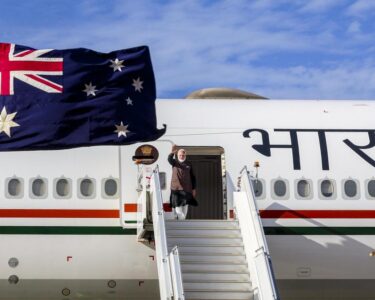
By Prime Minister Narendra Modi’s recent Europe tour is increasingly being viewed as more than a diplomatic outreach. From semiconductors and clean energy to defence and technology partnerships, the visit reflected India’s effort to position itself as a more assertive global power rather than a passive economic player.
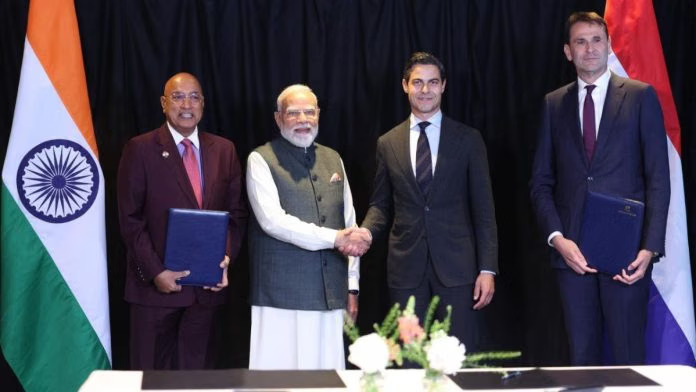
Among the most significant stops on the tour was the Netherlands, where India upgraded bilateral ties to a “Strategic Partnership” after talks with Dutch Prime Minister Rob Jetten. The visit highlighted how New Delhi is deepening relations with Europe at a time of growing geopolitical uncertainty and shifting global supply chains.
India and the Netherlands share centuries-old ties dating back to the Dutch trading presence on India’s western and eastern coasts. But this visit focused less on history and more on the future — especially in sectors critical to India’s long-term economic ambitions.
One of the biggest outcomes of the visit was progress in semiconductor cooperation. Tata Electronics and Dutch technology giant ASML moved ahead on collaboration linked to India’s semiconductor manufacturing ecosystem, particularly the upcoming fabrication plant in Dholera, Gujarat. ASML is globally recognised for its advanced chip-making equipment, making the partnership strategically important for India’s efforts to reduce dependence on foreign supply chains.
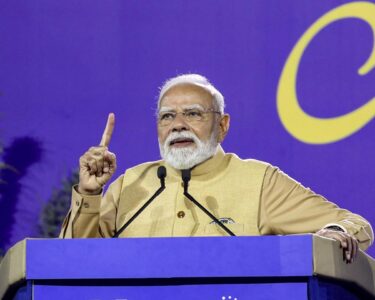
During a meeting with Dutch business leaders, Modi assured investors that India was ready to become a trusted manufacturing and technology hub. He said growing confidence in India’s economy and policy environment would translate into long-term results.
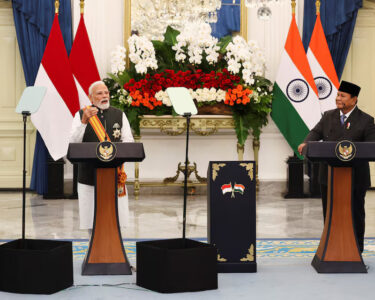
The tour also underlined India’s broader European strategy. Alongside the Netherlands, Modi visited the UAE, Sweden, Norway and Italy, participating in high-level talks on trade, green energy, maritime security, innovation and defence cooperation. Officials believe the outreach marks a new phase in India-Europe relations, especially after the India-European Union Free Trade Agreement discussions gained momentum earlier this year.
Water management and climate resilience also emerged as key themes during the Netherlands visit. Modi’s visit to the iconic Afsluitdijk dam showcased India’s interest in Dutch expertise in flood control, water storage and sustainable infrastructure — areas increasingly important for climate-vulnerable regions in India.
Another symbolic moment came with the decision to return the historic Chola copper plates to India from Leiden University. The artefacts, considered culturally significant, had remained in the Netherlands for centuries. Modi described their repatriation as an emotional and proud moment for Indians.
The broader message from the tour was clear: India is looking to build deeper strategic partnerships with countries that can support its ambitions in technology, manufacturing, security and global influence. Diplomatically, the visit signalled that New Delhi is no longer content being seen only as a large market — it wants to be recognised as a major strategic force shaping the future global order.