 By
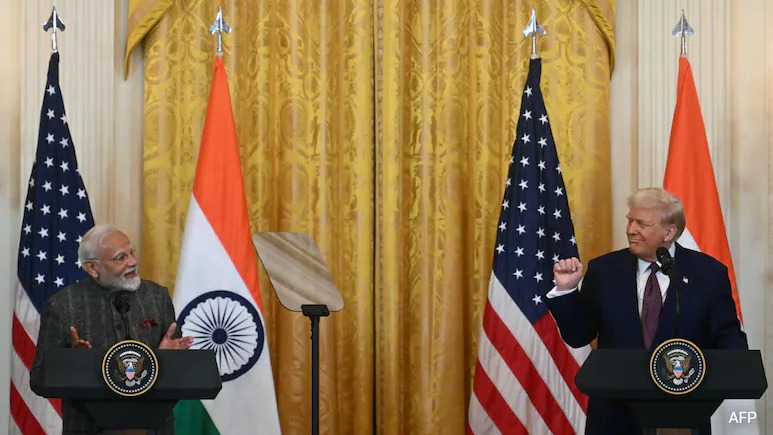
By US President Donald Trump on Thursday described Prime Minister Narendra Modi as a “friend” and said the two leaders had a “very good conversation,” underlining the continued warmth in India-US relations at a time of heightened global tensions.
Speaking to reporters, Trump kept his remarks brief but pointed, saying he shares a good rapport with Modi and that their recent interaction was productive. The exchange gains significance as it comes amid ongoing diplomatic activity around West Asia, where geopolitical developments and security concerns have drawn global attention.
Earlier, Modi had revealed that he received a call from Trump in which the two leaders reviewed bilateral cooperation and discussed pressing regional issues. According to the Prime Minister, the conversation covered a wide range of topics—from strengthening strategic ties to ensuring stability in sensitive maritime zones. A key focus, he noted, was the need to keep critical sea routes secure, particularly the Strait of Hormuz, which remains vital for global energy supplies.
The call reflects the continuing engagement between New Delhi and Washington, especially on issues that extend beyond bilateral interests. Both sides appear keen on maintaining coordination as tensions in West Asia evolve, with maritime security and energy flows emerging as shared priorities.
The diplomatic outreach also coincided with fresh developments in the region. Trump announced that Israel and Lebanon had agreed to a temporary ceasefire, describing it as part of broader efforts to stabilise the situation. He said the breakthrough followed a series of high-level discussions involving leaders from both sides, as well as senior US officials.
Highlighting Washington’s role, Trump noted that key members of his administration—including Vice President JD Vance and Secretary of State Marco Rubio—have been tasked with continuing negotiations aimed at achieving a more durable peace. While the ceasefire is limited in duration, it signals an attempt to de-escalate tensions in a region that has seen repeated cycles of conflict.
For India, developments in West Asia carry both economic and strategic implications, particularly in relation to energy imports and the safety of shipping routes. This explains the emphasis placed by Modi on maritime stability during his conversation with Trump.
The tone of the interaction between the two leaders suggests that despite shifting global dynamics, India-US ties remain steady, with both countries aligning on key international concerns. As diplomatic efforts intensify across West Asia, such engagements are likely to play an important role in shaping coordinated responses to emerging challenges.