
 By
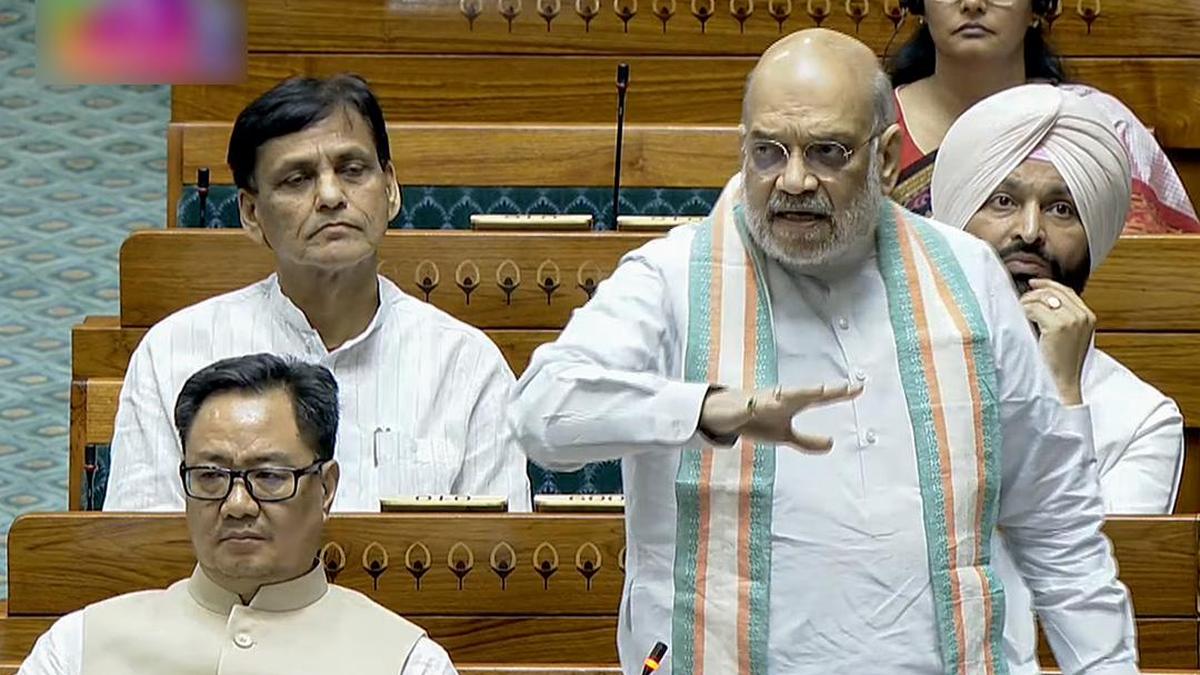
By A heated debate over delimitation and women’s reservation dominated Parliament on Thursday, with Union Home Minister Amit Shah assuring southern states that their political representation in the Lok Sabha would not shrink after the proposed changes.
Replying during the special sitting of Parliament, Shah said all elections till 2029 would continue on the basis of the existing number of Lok Sabha seats. He also sought to calm fears surrounding the implementation of the women’s reservation law alongside future delimitation exercises.
Addressing concerns raised by opposition parties, Shah said the five southern states would actually see an increase in representation once the Lok Sabha expands after delimitation. According to him, the combined number of seats for southern states would rise from the current 129 to 195, with their percentage share in the House also witnessing a marginal increase.
Prime Minister Narendra Modi strongly backed the implementation of women’s reservation beginning in 2029 and maintained that no state would face discrimination during the delimitation process. The government argued that the proposed constitutional changes were aimed at ensuring greater participation of women in legislatures while maintaining federal balance.
However, the Opposition mounted a sharp attack on the Centre, accusing the BJP-led government of using delimitation as a political tool. Congress leader Priyanka Gandhi Vadra alleged that the government was attempting to redraw constituencies in a way that could favour the ruling party in future elections.
She described the proposed move as an “attack on democracy” and claimed the government was trying to manipulate electoral boundaries under the cover of women’s reservation.
Congress deputy leader in the Lok Sabha Gaurav Gogoi also criticised the proposal, accusing the Centre of trying to push delimitation “through the backdoor”. He argued that the Bills discussed in Parliament were against the spirit of federalism and social justice.
The debate reflected growing political sensitivity around delimitation, especially among southern states that have long feared losing parliamentary influence because of better population control performance compared to northern states.
The government, however, insisted that such fears were misplaced and reiterated that representation would remain balanced. BJP leaders also argued that expanding the Lok Sabha was necessary to reflect India’s growing population and ensure broader democratic participation.
With women’s reservation expected to come into effect from the 2029 general elections, the issue is likely to remain at the centre of political debate in the coming years.